
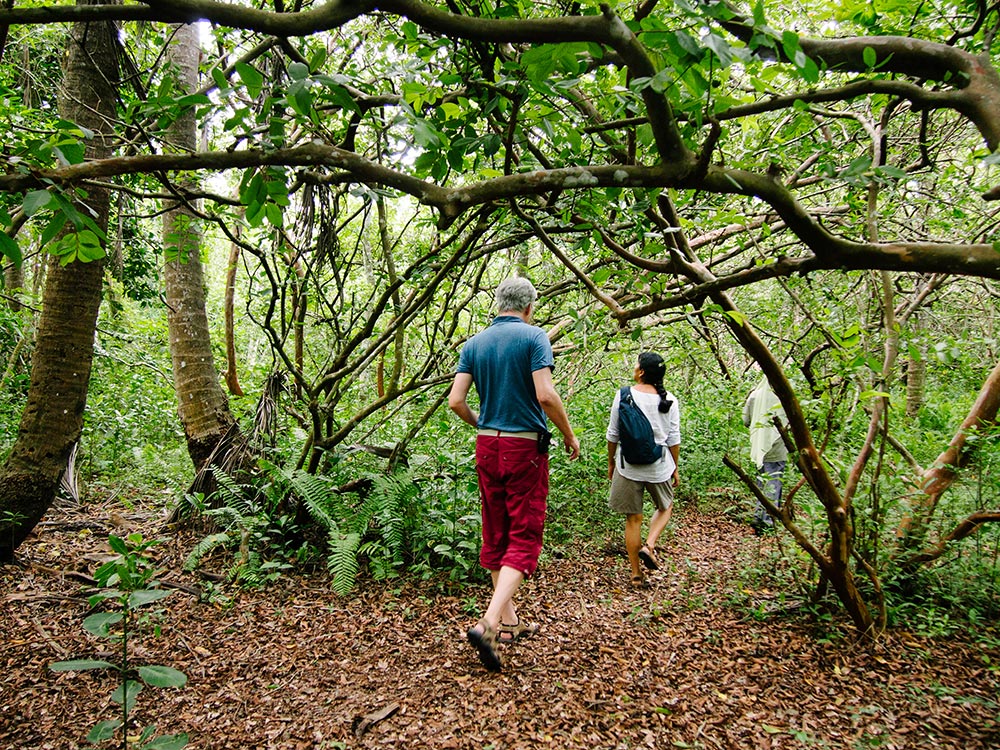
Zanzibar is renowned for its pristine beaches and rich cultural history, but nestled in the heart of Unguja Island lies an ecological treasure: the Zanzibar Jozani Forest. This forest, part of the Jozani–Chwaka Bay National Park, is the only national park on the island and is a vital sanctuary for wildlife, especially the endemic Zanzibar red colobus monkeys. For nature enthusiasts, eco-tourists, and researchers, exploring the Zanzibar Jozani Forest is an experience that combines adventure, education, and conservation awareness.
Location and Overview
The Zanzibar Jozani Forest is located approximately 35–40 kilometers southeast of Stone Town, the main city of Zanzibar. Covering roughly 50 square kilometers, it sits within the larger Jozani–Chwaka Bay Conservation Area, which includes mangrove swamps, coastal areas, and wetlands. The park’s location makes it accessible for day trips from major resorts and Stone Town, allowing visitors to immerse themselves in the island’s natural beauty.
Despite its relatively small size, the Zanzibar Jozani Forest is home to a diverse range of ecosystems, from dense tropical woodland to coral rag forests and mangrove fringes. It is recognized as a UNESCO Biosphere Reserve and is listed on the tentative World Heritage Sites list, emphasizing its global ecological significance.
Unique Ecosystems of Zanzibar Jozani Forest
One of the most remarkable aspects of the Zanzibar Jozani Forest is its ecological diversity. The forest contains multiple habitats within a compact area:
- Groundwater forests: Dense, shaded areas with rich organic soil.
- Coral rag forests: Dry, rocky terrain with hardy vegetation.
- Mangrove swamps: Coastal wetlands that protect shorelines and support marine life.
- Salt marshes and seagrass beds: Vital for maintaining the health of local fish populations.
These ecosystems support a wide array of flora and fauna, creating one of the most biodiverse regions in East Africa. The forest’s mangroves are particularly important, acting as natural buffers against coastal erosion while providing a nursery for marine species.
Flora: The Green Wealth of Zanzibar Jozani Forest
The Zanzibar Jozani Forest is home to over 290 plant species. Many of these plants have medicinal uses, supporting local traditions of natural healing. Tall mahogany trees, palms, ferns, and mangroves dominate the landscape, while the forest floor is often carpeted with shrubs and medicinal herbs.
Local communities have historically relied on these plants for food, medicine, and building materials. This traditional knowledge is increasingly integrated into conservation education programs, highlighting the forest’s ecological and cultural value.
Wildlife Highlights
The Zanzibar Jozani Forest is best known for its wildlife, particularly the Zanzibar red colobus monkey (Piliocolobus kirkii). This endangered primate is found only on Zanzibar and is the flagship species of the park. Visitors to the forest often have the chance to observe these monkeys in their natural habitat, a rare and unforgettable experience.
Other notable species include:
- Sykes’ monkeys
- Bush babies
- Ader’s duiker (a rare forest antelope)
- African civets
- Various bird species, including sunbirds, hornbills, and kingfishers
The forest is also home to a rich diversity of butterflies, reptiles, and small mammals. For bird watchers and wildlife photographers, the Zanzibar Jozani Forest offers unparalleled opportunities to observe species that cannot be found anywhere else in the world.
Conservation Efforts
The Zanzibar Jozani Forest is a model of environmental conservation. Established initially as a forest reserve in the 1960s and upgraded to a national park in 1984, it is now managed to protect biodiversity while promoting sustainable tourism.
Conservation priorities include:
- Protecting endangered species, particularly the Zanzibar red colobus
- Restoring degraded habitats
- Managing eco-tourism to minimize human impact
- Educating local communities about sustainable resource use
The forest also provides a source of livelihood for surrounding communities through guided tours, beekeeping, and the sustainable harvesting of forest products. By integrating community development with conservation, the Zanzibar Jozani Forest demonstrates how local people and wildlife can thrive together.
Tourism and Visitor Experience
Visiting the Zanzibar Jozani Forest is an unforgettable experience for travelers of all ages. Guided tours take visitors along well-maintained trails through the forest, where they can see monkeys, birds, and unique plant species.
Highlights for tourists include:
- Walking through dense tropical forest trails
- Observing Zanzibar red colobus monkeys up close
- Exploring the mangrove boardwalk to see crabs and marine life
- Learning about medicinal plants used by local communities
The park is designed to be educational and environmentally friendly. Visitors are encouraged to respect wildlife and follow rules that protect the forest’s delicate ecosystem. For nature lovers, eco-tourists, and photographers, a visit to the Zanzibar Jozani Forest is both educational and deeply inspiring.
Cultural and Socioeconomic Importance
The Zanzibar Jozani Forest is not only a natural haven but also a vital part of local culture. Communities living near the forest rely on its resources for food, fuel, and traditional medicine. Many areas within the forest are considered sacred, and local customs help protect these regions from exploitation.
By engaging communities in conservation efforts, the park promotes a sustainable model where both people and nature benefit. Eco-tourism provides income while raising awareness of the importance of preserving Zanzibar’s unique ecosystems.
Challenges Facing Zanzibar Jozani Forest
Despite its protected status, the Zanzibar Jozani Forest faces several challenges, including:
- Deforestation from agriculture and development
- Climate change affecting rainfall patterns and ecosystems
- Human encroachment and illegal resource extraction
Ongoing conservation initiatives aim to mitigate these threats, emphasizing education, sustainable practices, and international cooperation. The forest’s future depends on balancing human needs with the preservation of its unique biodiversity.
Conclusion
The Zanzibar Jozani Forest is a jewel of East African ecology. Its lush greenery, rare wildlife, and rich cultural connections make it a must-visit destination for anyone traveling to Zanzibar. Beyond tourism, it represents a global commitment to conservation, biodiversity protection, and sustainable development.
For those seeking to experience the intersection of natural beauty, wildlife observation, and community engagement, the Zanzibar Jozani Forest is a living testament to the wonders of the natural world. Protecting this forest ensures that future generations can continue to enjoy its beauty and ecological significance.